
Quotes About Happiness: 25 Timeless Quotes from 25 Great Authors
Happiness is one of the oldest questions in philosophy and one of the most common subjects of fiction. This collection brings together 25 quotes about happiness from 25 different authors, from Aristotle, Seneca and Confucius to Dickens, Tolstoy and L. Frank Baum. Each one is taken from a published work, so you can find it in its own context.
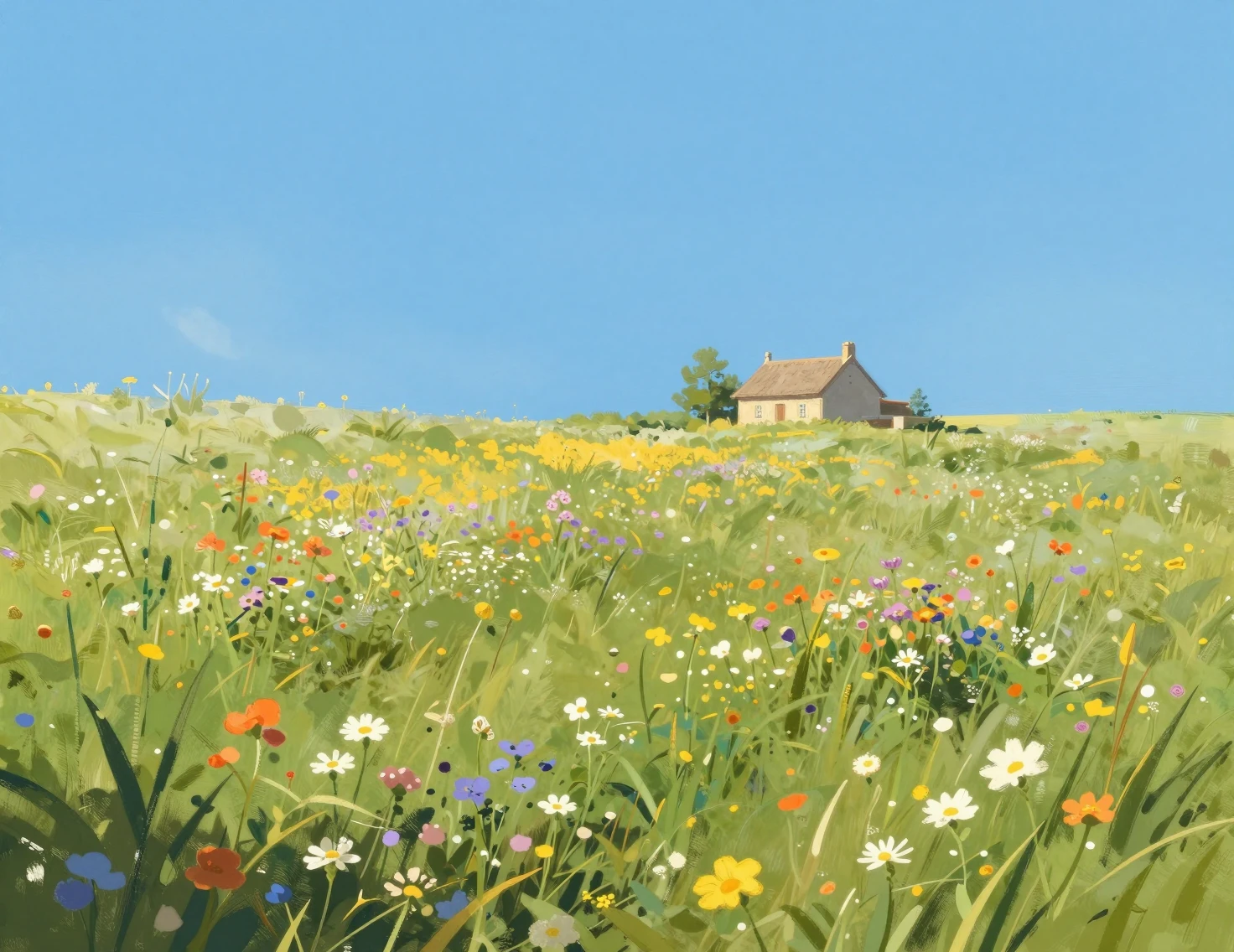
Some of these voices try to define happiness, some find it in nature and ordinary days, and some look at it with other people or in hard times. A few are spoken by characters in a novel or a play, and the comments say so. If you enjoy these, read also our collections on William Shakespeare, Jane Austen and Charles Dickens.
This collection contains 25 quotes, one from each author, all taken from works available on Project Gutenberg. Several are English translations (Aristotle, Seneca, Lao Tzu, Epictetus, Confucius, Cicero, Dumas and Tolstoy), so the wording is that of the translator named in the comment when known. Spelling and punctuation are kept as printed in those editions.
25 Quotes About Happiness
What Happiness Is
“So then Happiness is manifestly something final and self-sufficient, being the end of all things which are and may be done.”
— Aristotle
This is from Book I of the Nicomachean Ethics, in D. P. Chase's translation. Aristotle has just said that we choose happiness always for its own sake and never for the sake of something else, unlike honour, pleasure or intellect. From that he concludes that happiness is final and self-sufficient, the end of all things that can be done.
“Those only are happy (I thought) who have their minds fixed on some object other than their own happiness; on the happiness of others, on the improvement of mankind, even on some art or pursuit, followed not as a means, but as itself an ideal end.”
— John Stuart Mill
This is from the Autobiography, in the chapter on a crisis in his mental history. Mill had believed that happiness is the test of all conduct. He then decided that it is reached only by not making it the direct aim: the happy are those who fix their minds on some other object, such as the good of others or an art.
“It is every man’s wish and design; and yet not one of a thousand that knows wherein that happiness consists.”
— Seneca
This is the opening of Of a Happy Life, in Sir Roger L'Estrange's English version of Seneca. He says that nothing is more talked of and less understood than a happy life. Everyone wishes for it, he writes, but hardly anyone knows what it consists in. He then asks readers to define it first.
“Oh, happiness, our being's end and aim! Good, pleasure, ease, content! whate'er thy name: That something still which prompts the eternal sigh, For which we bear to live, or dare to die, Which still so near us, yet beyond us lies, O'erlooked, seen double, by the fool, and wise.”
— Alexander Pope
These are the opening lines of Epistle IV of An Essay on Man. Pope addresses happiness directly and gives it several names: good, pleasure, ease, content. He calls it that something which prompts the eternal sigh, always near yet beyond us, and overlooked by both the fool and the wise. The text is printed here as in the Gutenberg edition.
“Therefore the sufficiency of contentment is an enduring and unchanging sufficiency.”
— Lao Tzu
This is from the Tao Teh King, chapter 46, in James Legge's translation. The chapter says that no calamity is greater than to be discontented with one's lot and no fault greater than the wish to be getting. It then concludes that the sufficiency of contentment is an enduring and unchanging sufficiency, which means that having enough is a lasting wealth.
“This is the price paid for peace and tranquillity; and nothing is to be had for nothing.”
— Epictetus
This is from the Enchiridion, in Thomas Wentworth Higginson's translation. Epictetus says it is better to die of hunger, free from grief and fear, than to live in abundance with anxiety. He advises starting with little things: if a little oil is spilled or wine stolen, say to yourself that this is the price paid for peace.
“Your joy is your sorrow unmasked.”
— Kahlil Gibran
This is from The Prophet, in the section On Joy and Sorrow. A woman asks Almustafa to speak of joy and sorrow, and this is the first thing he answers. He goes on to say that the same well from which laughter rises was often filled with tears. The sentence is short, and the section develops it at length.
“There is neither happiness nor misery in the world; there is only the comparison of one state with another, nothing more.”
— Alexandre Dumas
This is from the last letter of the Count of Monte Cristo to Maximilian Morrel, in the Gutenberg edition. The Count explains that he who has felt the deepest grief is best able to experience supreme happiness, and that we must have felt what it is to die in order to know the value of life.
Joy in Nature and Ordinary Days
“He cannot be happy and strong until he too lives with nature in the present, above time.”
— Ralph Waldo Emerson
This is from the essay Self-Reliance. Emerson compares a flower, which lives fully in each moment, with man, who postpones or remembers and laments the past or looks anxiously ahead. He says that man cannot be happy and strong until he too lives with nature in the present, above time.
“And 'tis my faith that every flower Enjoys the air it breathes.”
— William Wordsworth
These lines are from Lines Written in Early Spring, in the 1800 Lyrical Ballads. Wordsworth sits in a grove in spring and hears the birds and sees the primrose tufts and the periwinkle. He then says it is his faith that every flower enjoys the air it breathes, a thought that sets his sadness about man against nature's joy.
“Jumping off all his four legs at once, in the joy of living and the delight of spring without its cleaning, he pursued his way across the meadow till he reached the hedge on the further side.”
— Kenneth Grahame
This is from the first chapter of The Wind in the Willows, The River Bank. The Mole has just left his house in the spring-cleaning season and is jumping about in the joy of living. The sentence shows his delight at the day and the meadow. It is a description of a character in the story.
“She was so happy that she scarcely dared to breathe.”
— Frances Hodgson Burnett
This is from The Secret Garden. Mary Lennox is in the garden with the robin, who lets her come near him. Burnett writes that Mary knew the bird was a real person, only nicer than any other person in the world, and that she was so happy she scarcely dared to breathe. It is a moment of quiet happiness.
“But just now I feel pretty nearly perfectly happy.”
— L. M. Montgomery
This is from Anne of Green Gables, in the chapter where Matthew Cuthbert drives the orphan Anne home from the station. Anne asks if there is a brook near Green Gables, says that dreams do not often come true, and then adds this. It is spoken by a girl who is happy and talks without stopping.
“Oh, yes; the game was to just find something about everything to be glad about--no matter what 'twas”
— Eleanor H. Porter
This is from Pollyanna, in the chapter where Pollyanna explains the glad game to Nancy, the servant. The game, she says, is to find something about everything to be glad about, no matter what. The quotation stops before the comma, as the sentence goes on with the name of the speaker.
“There is no place like home.”
— L. Frank Baum
This is from The Wonderful Wizard of Oz. Dorothy says it to the Scarecrow when he asks why she wants to leave a beautiful country for dreary Kansas. She answers that people of flesh and blood prefer their own homes, however gray, to any other country, and that there is no place like home.
“I am as light as a feather, I am as happy as an angel, I am as merry as a schoolboy.”
— Charles Dickens
This is from A Christmas Carol, Stave Five. Scrooge wakes on Christmas morning after the visits of the spirits and, laughing and crying at once, struggles with his stockings. He says he is as light as a feather, as happy as an angel and as merry as a schoolboy, and then he calls out a merry Christmas to everybody.
“The wise find pleasure in water; the virtuous find pleasure in hills.”
— Confucius
This is from the Analects, in James Legge's translation, in Book VI. Confucius contrasts the wise with the virtuous: the wise find pleasure in water, the virtuous in hills. He adds that the wise are active and the virtuous tranquil. The line links two kinds of character to two kinds of landscape.
Happiness with Others and in Hard Times
“Yet such is the pleasure I take in recalling our friendship, that I look upon my life as having been a happy one because I have spent it with Scipio.”
— Cicero
This is from Laelius, On Friendship, in E. S. Shuckburgh's translation. Laelius speaks after the death of Scipio, and says that all is well with him. For himself, he finds comfort in recalling their friendship, and looks upon his own life as a happy one because he spent it with Scipio.
“Happiness in marriage is entirely a matter of chance.”
— Jane Austen
In Pride and Prejudice, Charlotte Lucas says this to Elizabeth Bennet when they are talking about Jane's hopes with Mr. Bingley. She argues that even when the parties know each other well beforehand, it does not advance their felicity in the least. It is the opinion of a character, and the novel does not simply endorse it.
“Happy families are all alike; every unhappy family is unhappy in its own way.”
— Leo Tolstoy
This is the opening sentence of Anna Karenina, in Constance Garnett's translation. It comes before the story of the Oblonsky household, where the wife has discovered that her husband has been unfaithful. Tolstoy sets the novel's theme at once: happiness may look uniform, while each family's trouble is its own.
“I have seen him, and oh! to see him is perfect happiness.”
— Oscar Wilde
This is from The Picture of Dorian Gray. Sibyl Vane says it to her brother James, who is about to leave for Australia and is anxious about her. She is speaking of the man she loves, whom she calls Prince Charming. The words are those of a young actress in love, and the novel later shows how much she misjudged him.
“But O, how bitter a thing it is to look into happiness through another man’s eyes!”
— William Shakespeare
In As You Like It, Orlando says this after Oliver and Celia fall in love and plan to marry the next day. Orlando, who loves Rosalind, feels shut out of the joy he sees. The line is spoken by a character in a comedy, and the speaker goes on to say that he will be heavy-hearted the next day.
“Our burdens are here, our road is before us, and the longing for goodness and happiness is the guide that leads us through many troubles and mistakes to the peace which is a true Celestial City.”
— Louisa May Alcott
This is from Little Women. Mrs. March answers Amy, who says she is too old to play at Pilgrim's Progress. She replies that we are never too old, because it is a play we are playing all the time, and that the longing for goodness and happiness leads us to a true Celestial City.
“Be still, sad heart! and cease repining; Behind the clouds is the sun still shining; Thy fate is the common fate of all, Into each life some rain must fall, Some days must be dark and dreary.”
— Henry Wadsworth Longfellow
These lines are from The Rainy Day, a poem in Longfellow's complete works. The speaker is a sad heart who thinks of the dark, dreary day and the Past. The poet tells it to be still, because the sun is still shining behind the clouds and every life has some rain. The poem ends on a note of hope.
“And now I speak of thanking God, I desire with all humility to acknowledge that I owe the mentioned happiness of my past life to His kind providence, which lead me to the means I used and gave them success.”
— Benjamin Franklin
This is from the opening part of Franklin's Autobiography, in the Harvard Classics edition. He thanks God and says that he owes the happiness of his past life to His kind providence, which led him to the means he used and gave them success. The spelling lead for led is printed as in the edition.
Conclusion
Read together, these 25 sentences give many answers. For Aristotle happiness is the final end of our actions, for Mill it comes while we aim at something else, for Lao Tzu it is contentment, and for Gibran it is joined with sorrow. The novelists show it in small moments: a robin, a spring meadow, a Christmas morning.
What most of them share is that happiness is rarely found by chasing it directly. It appears in attention to the present, in friendship, in modest wants and in work for others, and several authors warn that it can be fragile. Keep the line that fits the day you are having.
Frequently Asked Questions
Why does this collection use 25 different authors?
Each author appears only once, so the collection shows many views of happiness, from philosophy and essays to poetry, plays and novels, instead of repeating one voice.
Are these quotes copied from real texts?
Yes. Each quote was copied word for word from a published text available on Project Gutenberg and checked against the source before use. Some are fragments of longer sentences, and the comment says so when needed.
Are the quotes in their original language?
Most are in English originally. Aristotle, Seneca, Lao Tzu, Epictetus, Confucius, Cicero, Dumas and Tolstoy are quoted in the English translations published on Project Gutenberg, and the translator is named in the comment when known.
Which text is quoted here?
Every quote comes from a free edition on Project Gutenberg, and the work it is taken from is named in the comment under each quote. For the authors who did not write in English, we used the translations published there: D. P. Chase for Aristotle, Sir Roger L'Estrange for Seneca, James Legge for Lao Tzu and Confucius, Thomas Wentworth Higginson for Epictetus, E. S. Shuckburgh for Cicero and Constance Garnett for Tolstoy. To check a line yourself, search the book on gutenberg.org and look for the sentence in the chapter mentioned in the comment.
Recommended Similar Collections on Quotyzen
- William Shakespeare: the Bard of Avon and master of the human condition
- Jane Austen: the unrivaled observer of human nature
- Charles Dickens: Victorian conscience and a Christmas Carol
Which of these quotes about happiness speaks to you most? Share your view in the comments below!
Join the conversation